Early Years Teaching
Creating Meaningful Learning Experiences in the Earl Years
Teaching in the early years is both an art and a science. It requires educators to understand how young children learn while creating environments that inspire curiosity, exploration, creativity, and a sense of belonging.
Early Years Teaching focuses on the practices, strategies, and approaches that support effective learning during a child’s most formative years. It equips educators with the knowledge and skills needed to design engaging experiences, foster positive relationships, and create responsive learning environments that support the development of the whole child.
At Morenateach, we believe effective early years teaching goes beyond instruction. It is about observing, listening, guiding, facilitating, and responding to children’s interests, strengths, and developmental needs in ways that make learning meaningful and joyful.
Why Early Childhood Education Matters
The quality of interactions, experiences, and learning environments provided during the early years has a significant influence on children’s development and future learning outcomes.
Effective early years educators help children:

Build confidence and independence

Develop
communication
Strengthen social and emotional wellbeing

Explore ideas through play and inquiry

Develop problem-solving and critical

Foster positive
attitudes
Core Areas of Learning
01
Play-Based Learning
Understand how play supports exploration, creativity, communication, collaboration, and deeper learning.
02
Inquiry and Exploration
Create opportunities that encourage children to ask questions, investigate ideas, and actively construct understanding.
03
Learning Environment Design
Develop engaging and responsive learning spaces that support independence, discovery, and participation.
04
Intentional Teaching
Learn how to balance child-led exploration with purposeful teaching strategies that extend learning and development
05
Observation and Documentation
Use observation and documentation to understand children’s interests, progress, and learning needs.
06
Relationships and Wellbeing
Build nurturing relationships that create safe, inclusive, and emotionally supportive learning environments.
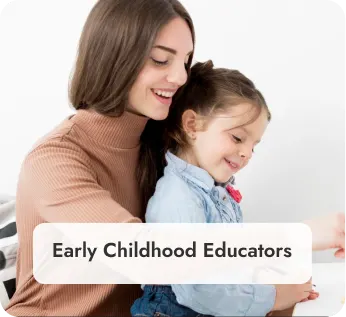
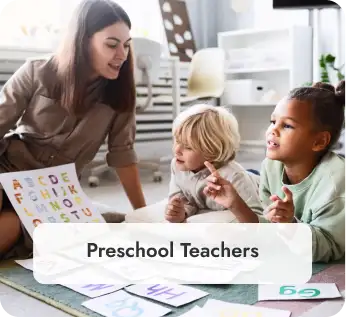
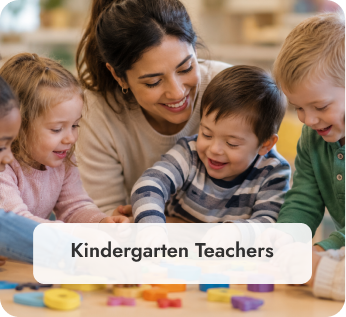
Who Our Programs Are Designed For?


Our Philosophy
We believe young children learn best when they are actively engaged, emotionally secure, and given opportunities to explore their world through meaningful experiences.
Our programs help educators develop practical teaching strategies that support learning, development, wellbeing, and a lifelong love for learning.
Inspiring Learning Through Purposeful Practice
Explore approaches that help transform everyday interactions into meaningful opportunities for learning, growth, and discovery.