

Understanding the Foundations of Early Childhood Education
The early years of a child’s life are a period of remarkable growth and development. During this time, children build the cognitive, social, emotional, language, and physical foundations that influence their learning and well-being throughout life. High-quality early childhood education recognises the significance of these formative years and creates experiences that support holistic development.
ECE Foundations provides educators with a deeper understanding of the principles, philosophies, and practices that shape effective early years education. It explores how children learn, develop, and make meaning of the world around them while emphasising the critical role educators play in nurturing curiosity, confidence, creativity, and a lifelong love for learning.
At Morenateach, we believe that strong teaching begins with a strong understanding of children. By grounding educational practice in child development, research, observation, and reflective thinking, educators are better equipped to create meaningful learning experiences that respond to the needs of every child.
Why Early Childhood Education Matters
Research consistently demonstrates that experiences during the early years have a lasting impact on a child’s development, future learning, relationships, and overall wellbeing. Early childhood education is not simply preparation for school; it is the foundation for lifelong learning.

Develop confidence and independence

Build communication and language skills
Strengthen social and emotional wellbeing

Foster creativity and critical thinking

Develop positive learning dispositions

Build relationships and a sense of belonging
Core Areas of Learning
01
Foundations of Child Development
Understand the stages and patterns of development across cognitive, social, emotional, language, and physical domains.
02
Principles of Early Learning
Explore how young children learn through play, exploration, relationships, observation, and meaningful experiences.
03
Child-Centered Approaches
Learn how educational environments can be designed around children’s interests, strengths, abilities, and developmental needs.
04
Learning Through Play
Examine the role of play as a powerful vehicle for learning, inquiry, creativity, and problem-solving.
05
Observation and Reflection
Develop skills in observing children’s learning, documenting progress, and using reflection to inform teaching practices.
06
Family and Community Partnerships
Recognize the importance of building strong relationships with families and communities to support children’s growth and learning.
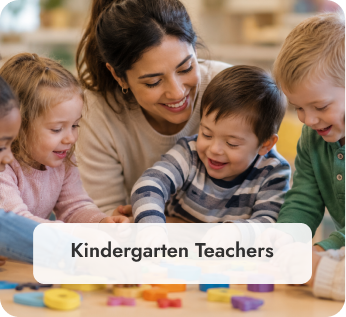
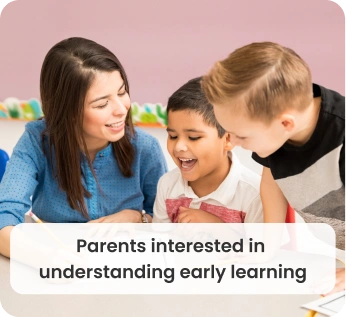
Who Our Programs Are Designed For?





Our Philosophy
We believe every child is capable, curious, and full of potential. Effective early childhood education respects the individuality of each learner and creates environments where children feel safe, valued, engaged, and inspired to explore the world around them. By understanding the foundations of early childhood education, educators gain the knowledge and confidence needed to create meaningful learning experiences that support the whole child and lay the groundwork for lifelong learning.